How Retaining Walls Protect Your Property and Improve Curb Appeal
A sloped or uneven yard can create more than an appearance problem. Heavy rainfall, poor drainage, and shifting soil can gradually damage lawns, planting beds, walkways, driveways, and other outdoor features.
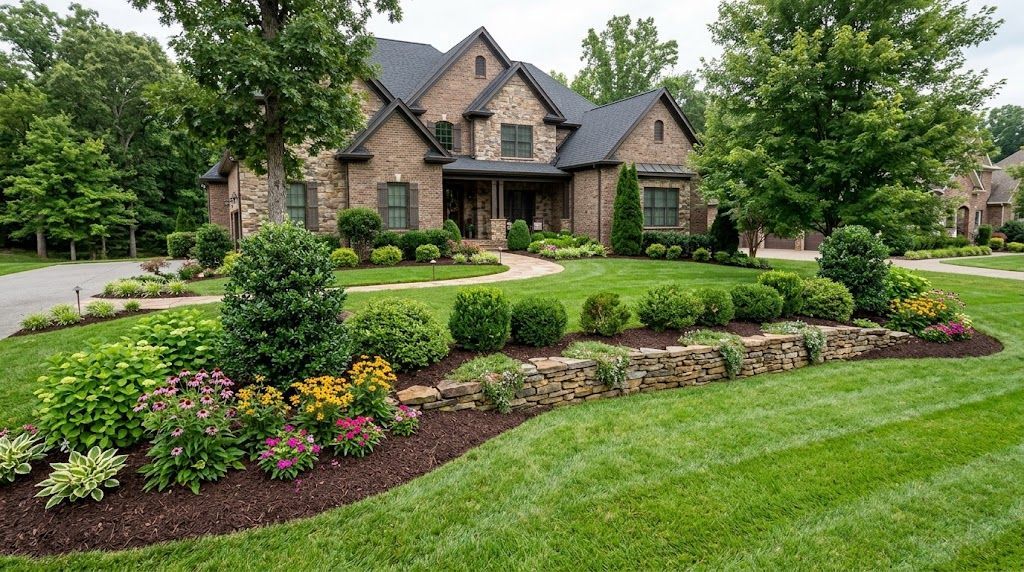
A professionally built retaining wall helps stabilize the land while adding structure and visual interest to your landscape. Retaining walls can prevent erosion, manage water runoff, create usable outdoor space, and improve the overall appearance of your property.
At Lambdin’s Landscaping, retaining wall installation can be incorporated into a complete landscape plan that balances function, durability, and curb appeal.

What Is a Retaining Wall?
A retaining wall is a hardscape structure designed to hold soil in place between two areas with different elevations. It supports sloped land and helps prevent soil from moving downhill because of gravity, rain, runoff, or landscape disturbance.
Landscape retaining walls can be constructed from several materials, including:
- Natural stone
- Concrete retaining wall blocks
- Brick or masonry
- Manufactured wall systems
- Timber for certain applications
The right material depends on the wall’s height, purpose, location, drainage requirements, and the overall design of the property.
A professional retaining wall contractor can evaluate the site and recommend a design suited to the surrounding landscape.
How Retaining Walls Protect Your Property
Retaining walls do much more than divide different sections of a yard. When properly designed and installed, they can help solve several common landscaping problems.
Retaining Walls Help Prevent Soil Erosion
Rainwater can gradually wash soil away from sloped areas. Over time, this erosion may expose plant roots, damage flower beds, create bare patches, and deposit soil on walkways or driveways.
A retaining wall creates a strong barrier that helps keep soil contained. It reduces downhill movement and provides support in areas where erosion regularly occurs.
Retaining walls are especially useful near:
- Sloped lawns
- Raised planting beds
- Driveways
- Walkways
- Patios
- Outdoor steps
- Property boundaries
- Drainage areas
For properties with ongoing erosion problems, retaining wall installation may be combined with grading, drainage improvements, ground cover, or other landscaping services.

Retaining Walls Improve Water Management
Water is one of the most important considerations in retaining wall construction. When water becomes trapped behind a wall, pressure can build and cause the structure to lean, crack, bulge, or shift.
A properly installed retaining wall may include:
- Drainage gravel
- Perforated drainage pipes
- Weep holes
- Filter fabric
- Properly compacted backfill
- Grading that directs water away
These features allow excess water to escape while reducing pressure behind the wall.
If your yard has standing water, washed-out areas, or persistent runoff, a retaining wall may be incorporated into a broader landscape drainage solution.
Retaining Walls Stabilize Sloped Yards
Steep yards can be difficult to mow, plant, and maintain. Mulch may wash away, soil may shift, and certain areas may remain unused because of the incline.
Retaining walls can divide a large slope into smaller, flatter levels. This process is commonly called terracing.
Terraced areas may be used for:
- Flower beds
- Shrubs
- Small trees
- Vegetable gardens
- Decorative stone
- Ground cover
- Outdoor seating
- Landscape lighting
Instead of leaving a steep section unused, retaining walls can transform it into an attractive and functional part of the property.
Retaining Walls Protect Nearby Outdoor Features
Shifting soil and uncontrolled water runoff can affect patios, walkways, driveways, steps, fences, and planting areas.
A retaining wall can create separation and support between these features and the surrounding grade. This helps protect nearby improvements while making the entire outdoor area feel more organized.
When the wall is coordinated with professional
landscape design, it can become a natural part of the property rather than an isolated structure.

How Retaining Walls Improve Curb Appeal
Retaining walls are practical, but they can also improve the appearance and value of your outdoor space.
They Add Structure and Definition
Large or uneven yards can appear unfinished when there are no clear divisions between different areas.
A retaining wall can define:
- Lawns
- Flower beds
- Patios
- Walkways
- Outdoor living spaces
- Entryways
- Changes in elevation
These visual boundaries make the landscape feel more intentional and balanced.
They Add Texture and Character
Retaining wall materials introduce texture and contrast to grass, plants, mulch, trees, and other natural elements.
Natural stone can create a classic, organic appearance. Concrete blocks may provide a cleaner and more structured look. The selected material can also be coordinated with the home’s exterior, patio, driveway, or existing hardscape features.
They Create New Planting Opportunities
A sloped section of land may be difficult to landscape effectively. Retaining walls can create level planting beds for flowers, shrubs, ornamental grasses, and ground cover.
Plants can also soften the wall and help it blend naturally into the surrounding property.
Raised and terraced planting areas may include:
- Seasonal flowers
- Evergreen shrubs
- Native plants
- Low-maintenance perennials
- Decorative grasses
- Mulch or landscape stone
The result is a layered landscape with more depth, color, and visual interest.
They Make Outdoor Living Areas Feel Complete
Retaining walls can serve as attractive backdrops for patios, fire pits, seating areas, and garden paths.
Depending on the design and wall height, portions of the structure may also provide built-in seating. When combined with steps, walkways, lighting, and planting, a retaining wall can help connect different parts of the landscape.
- Professional
hardscape installation can ensure the wall works well with patios, pathways, and other outdoor features.

Where Can Retaining Walls Be Installed?
Retaining walls can be used in many areas around residential and commercial properties.
Common retaining wall locations include:
- Along sloped lawns
- Beside driveways
- Around patios
- Near walkways and steps
- Around raised flower beds
- At the edge of outdoor living areas
- Along property boundaries
- Near drainage channels
- Around trees and planting areas
- Between different yard elevations
The right location depends on the property’s grade, soil conditions, drainage patterns, and intended use.
Signs Your Property May Need a Retaining Wall
Some landscape problems may indicate that your property could benefit from a retaining wall.
Watch for these common signs:
- Soil washing downhill after rainfall
- Mulch repeatedly leaving planting beds
- Deep channels forming in the yard
- Exposed tree or plant roots
- Unstable slopes
- Soil collecting on walkways or driveways
- Standing water near changes in elevation
- Existing walls that are leaning or cracking
- Limited usable space because of a steep grade
Addressing these issues early may help prevent more extensive damage to the landscape.
Why Professional Retaining Wall Installation Matters
A retaining wall may look simple, but its long-term strength depends heavily on what is underneath and behind the visible materials.
Professional retaining wall installation considers:
- Soil type
- Wall height
- Slope and elevation
- Base depth
- Proper compaction
- Drainage requirements
- Material placement
- Nearby hardscape features
- Local building requirements
Skipping proper excavation, drainage, or base preparation may cause the wall to fail prematurely.
Common signs of retaining wall failure include:
- Leaning or bulging
- Cracked blocks
- Separating materials
- Loose stones
- Uneven sections
- Water collecting behind the wall
- Soil washing through gaps
Working with an experienced retaining wall contractor helps ensure the structure is designed around the specific conditions of your property.

Choosing the Right Retaining Wall Design
The best retaining wall should protect the property while complementing the surrounding landscape.
Several factors should be considered during the design process:
Wall Material
Choose a material that fits the style of the home and existing outdoor features.
Wall Height
Taller walls may require additional engineering, reinforcement, drainage, or permits.
Drainage Needs
The design should safely manage water behind and around the structure.
Landscape Style
The wall should coordinate with plants, patios, walkways, driveways, and other hardscape elements.
Intended Use
Consider whether the wall will support a slope, create planting beds, define an outdoor living area, or serve several purposes.
Lambdin’s Landscaping can help determine whether the property would benefit from one continuous wall, multiple terraced walls, built-in steps, planting areas, or connected outdoor features.
Schedule Retaining Wall Installation With Lambdin’s Landscaping
A professionally installed retaining wall can help protect your property from erosion, improve drainage, stabilize sloped areas, and create a more attractive outdoor environment.
Lambdin’s Landscaping provides dependable retaining wall installation and landscaping solutions designed around the needs of each property. Our team can evaluate your landscape, discuss your goals, and recommend a functional design that complements your home or business.
Call
865-803-4995 or email
leonlambdin@gmail.com today to schedule your retaining wall consultation. You can also
contact Lambdin’s Landscaping to begin planning a stronger, more usable, and more attractive outdoor space.